
دنبال چی میگردی
?
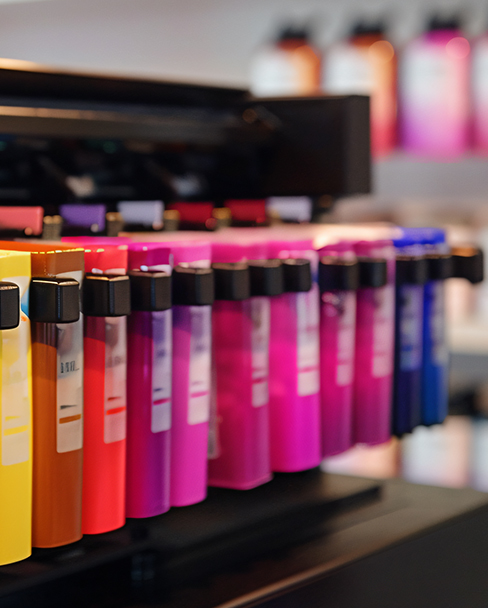
در دستگاههای کدگذاری CIJ (جوهر افشان پیوسته)، پمپهای دیافراگمی و پمپهای دندهای به عنوان اجزای اصلی تحویل جوهر mek عمل میکنند؛ با این حال، آنها از نظر اصول عملیاتی، ویژگیهای عملکردی و سناریوهای قابل اجرا، تفاوتهای مشخصی را نشان میدهند. در ادامه مقایسهای انجام شده است که تفاوتهای کلیدی بین این دو را برجسته میکند:
| نوع پمپ | اصل کار |
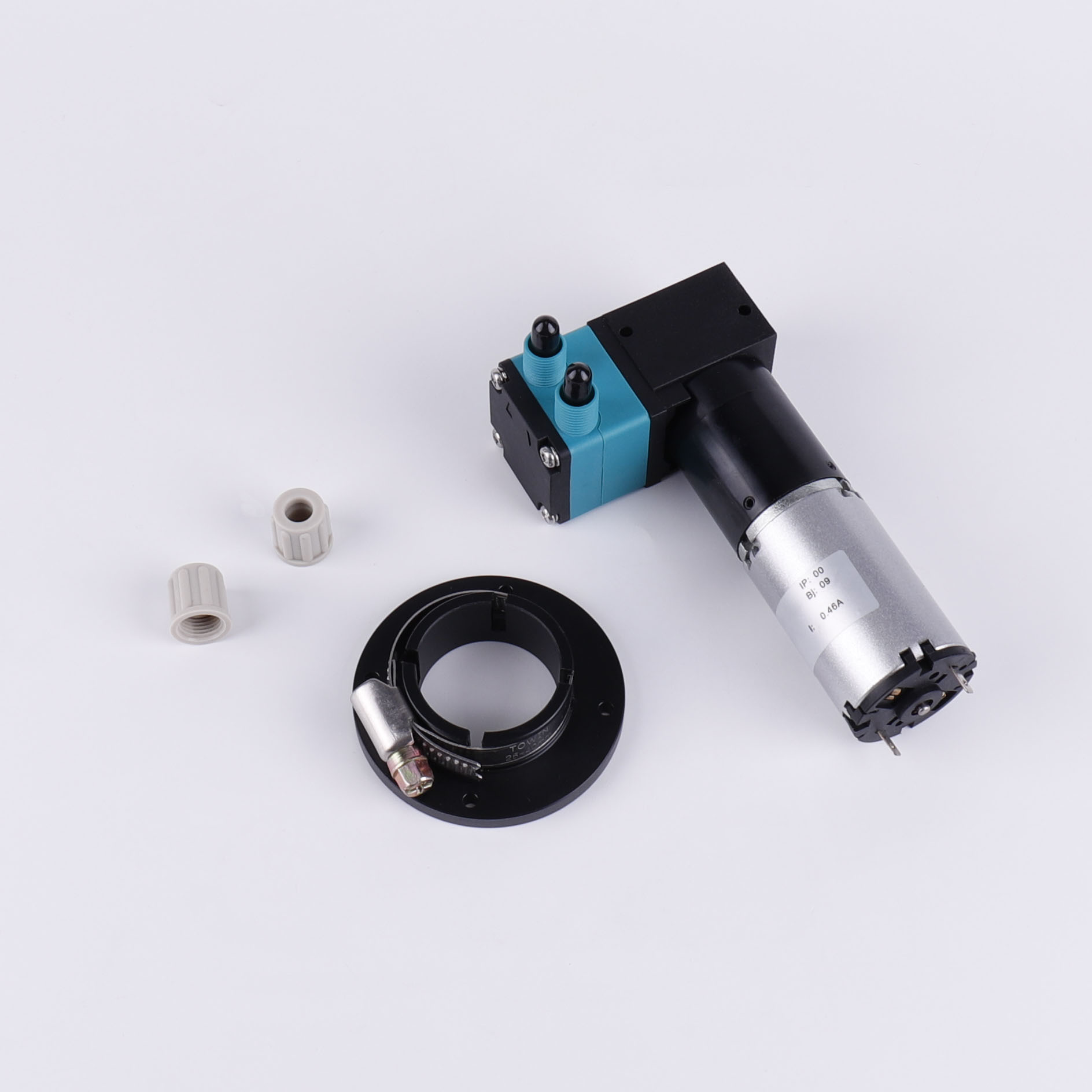
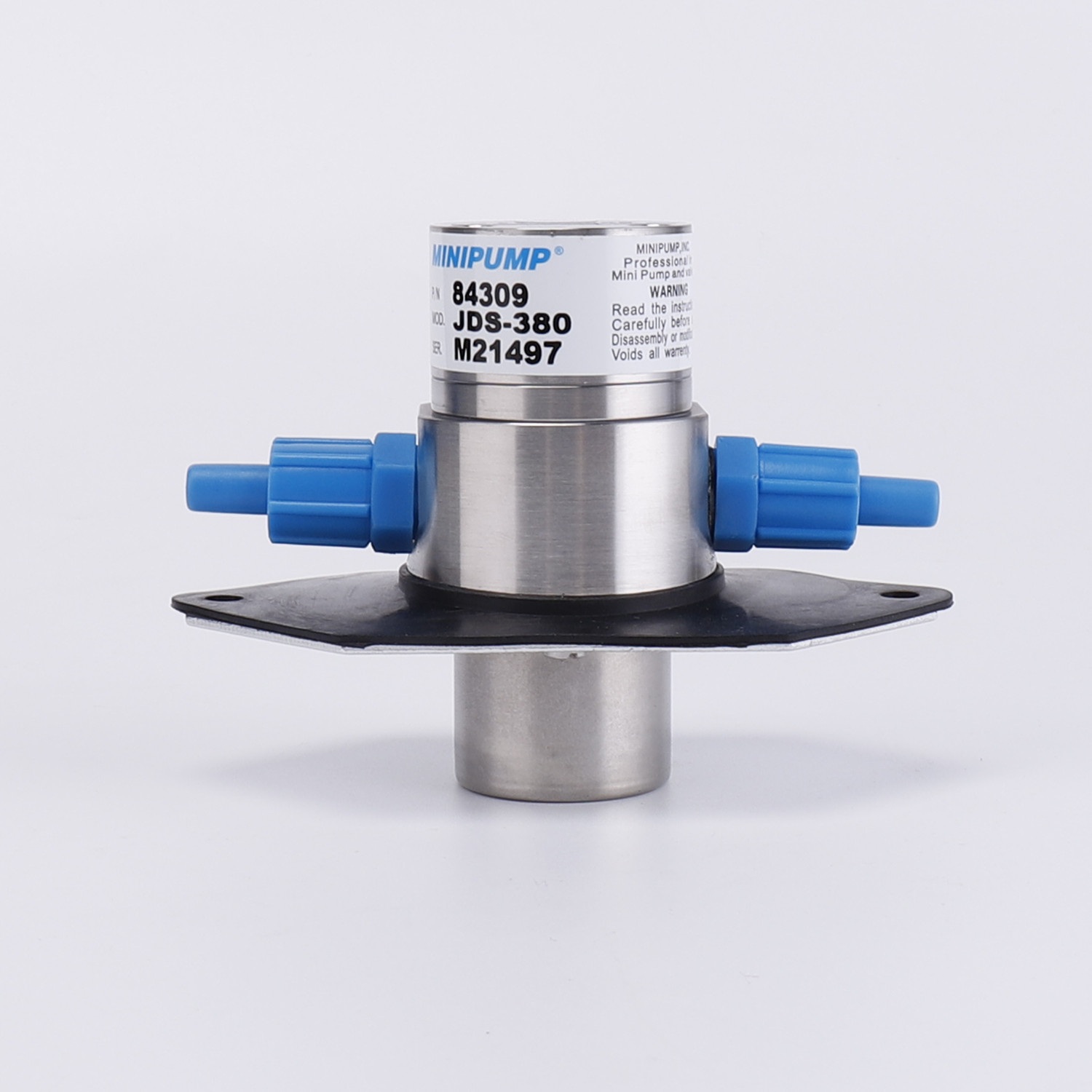
| پمپ دیافراگمی | با تغییر حجم محفظه پمپ cij از طریق حرکت رفت و برگشتی یک دیافراگم الاستیک - که ورود و خروج سیال را در ارتباط با شیرهای یک طرفه تسهیل میکند - این دستگاه به عنوان یک پمپ جابجایی مثبت عمل میکند و تضمین میکند که سیال در طول فرآیند انتقال کاملاً از اجزای متحرک جدا میماند. |
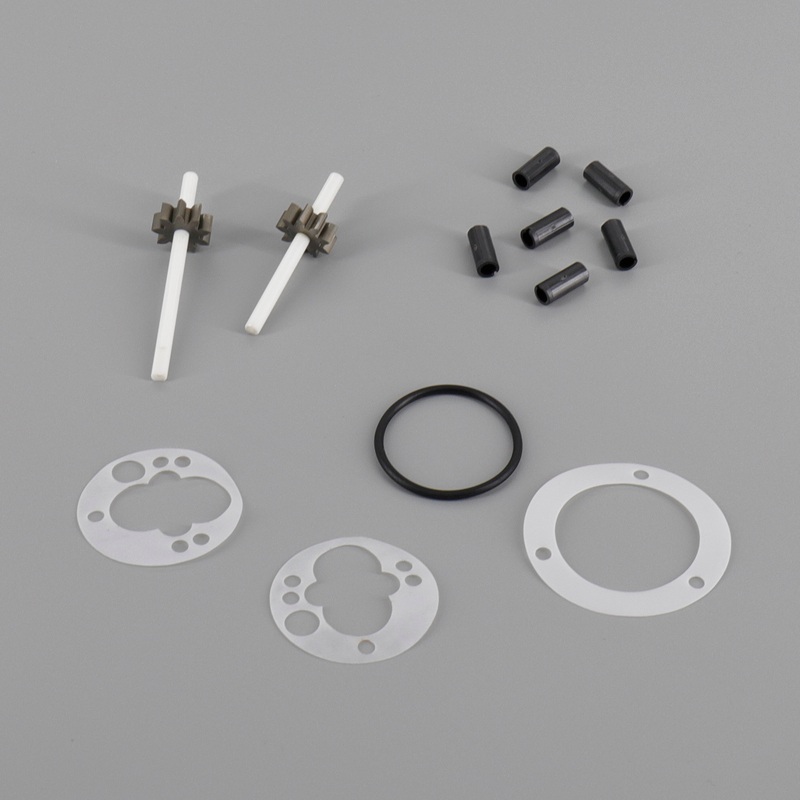
| پمپ دنده ای | سیال با تکیه بر تغییرات حجم حفرههای دندانه که در طول چرخش دو چرخدنده درگیر ایجاد میشوند، منتقل میشود؛ سیال از طریق شکافهای بین چرخدندهها جریان مییابد و اجزای متحرک در تماس مستقیم با محیط قرار میگیرند. |
۱.جوهر چاپگر جوهر افشان سی جی سازگاری
پمپهای دیافراگمی: تنها اجزایی که با جوهر در تماس هستند، دیافراگم و نشیمنگاه شیر هستند. این اجزا میتوانند از مواد مقاوم در برابر خوردگی (مانند تفلون) ساخته شوند و این امر پمپها را با تقریباً همه انواع جوهرهای کدنویسی - از جمله انواع پایه آب، پایه حلال و قابل پخت با اشعه ماوراء بنفش - سازگار میکند و به ویژه برای جوهرهای تخصصی بسیار خورنده مناسب است.
پمپهای دندهای: چرخدندهها و بدنه پمپ در تماس مستقیم با جوهر هستند و در نتیجه تحمل کمی برای جوهرهای بسیار خورنده دارند. استفاده طولانی مدت اغلب منجر به سایش چرخدندهها و افزایش لقیهای داخلی میشود؛ در نتیجه، این پمپها برای جوهرهای معمولی با خواص شیمیایی ملایمتر مناسبتر هستند.
۲. پایداری تأمین جوهر
پمپهای دیافراگمی: این پمپها که با حداقل نوسانات فشار خروجی و نوسانات جریان معمولاً کمتر از 5٪ مشخص میشوند، فشار جوهر پایدار را تضمین میکنند و در نتیجه ثبات بهتری در کاراکترهای چاپ شده ایجاد میشود. برخی از مدلهای رده بالا دارای تنظیم بازخورد فشار یکپارچه هستند که آنها را برای کاربردهای چاپ با دقت بالا ایدهآل میکند.
پمپهای دندهای: فشار خروجی دارای نوسانات دورهای است که معمولاً بین ۱۰٪ تا ۱۵٪ متغیر است. این نوسانات هنگام کار با جوهرهای با ویسکوزیته بالا بیشتر نمایان میشود و نصب یک تثبیتکننده فشار خارجی را برای تضمین کیفیت چاپ ثابت ضروری میسازد.
۳. عمر مفید و نگهداری
پمپهای دیافراگمی: تنها قطعات سایشی، دیافراگم و شیرهای یکطرفه هستند. در شرایط عملیاتی عادی، عمر مفید میتواند به ۸۰۰۰ تا ۱۲۰۰۰ ساعت برسد. تعمیر و نگهداری معمولاً شامل تعویض فقط مجموعه دیافراگم است، بدون نیاز به جداسازی کل بدنه پمپ، که منجر به کاهش هزینههای تعمیر و نگهداری میشود.
پمپهای دندهای: پس از استفاده طولانی مدت، سطوح درگیر دندهها مستعد سایش هستند که منجر به نشت داخلی و کاهش سرعت جریان میشود. میانگین عمر مفید تقریباً 5000 تا 8000 ساعت است. پس از سایش، کل مجموعه دنده یا کل واحد پمپ باید تعویض شود که منجر به هزینههای نگهداری بالاتر میشود.
۴. خودترمیمی و محدوده ویسکوزیته
پمپهای دیافراگمی: دارای قابلیتهای خود-راهاندازی قوی هستند که امکان "شروع خشک" (شروع بدون پیشپر کردن) را فراهم میکنند. آنها طیف وسیعی از ویسکوزیته (۱ تا ۱۰۰۰ سانتیپواز) را پشتیبانی میکنند و برای کاربردهایی که شامل چرخههای مکرر شروع-توقف یا تغییرات قابل توجه در ویسکوزیته جوهر هستند، مناسب هستند.
پمپهای دندهای: استارت خشک، خطر گیر کردن چرخدندهها را به همراه دارد؛ بنابراین، پمپ باید قبل از شروع به کار، پرایم (پر از مایع) شود. محدوده ویسکوزیته سازگار نسبتاً باریکتر است (۱ تا ۵۰۰ سانتیپواز) و کار با جوهرهای با ویسکوزیته بالا منجر به افزایش قابل توجه سطح صدا و تسریع سایش میشود.
| انواع سناریوهای قابل اجرا | اولویتبندی انتخاب پمپ | توضیح دلایل |
|---|---|---|
| کدگذاری و علامتگذاری برای صنایع غذایی و دارویی | پمپ دیافراگمی | بدون خطر نشت جوهر؛ مطابق با الزامات بهداشتی و سازگار با انواع جوهرهای خوراکی. |
| سناریوهای تولید مداوم با فرکانس بالا / 24 ساعته | پمپ دنده ای | این دستگاه دارای ساختار ساده و قابلیت اطمینان بالا در عملکرد مداوم است که آن را برای خطوط تولید در مقیاس بزرگ تحت شرایط عملیاتی پایدار مناسب میسازد. |
| موارد استفاده متنوع تعویض جوهر | پمپ دیافراگمی | این محصول مقاومت بالایی در برابر خوردگی دارد و با انواع مختلف جوهر - از جمله جوهرهای پایه حلال و UV - سازگار است و تمیز کردن آن را هنگام تعویض بین آنها راحتتر میکند. |
| الزامات کدگذاری با وضوح بالا / ریزکاراکتر | پمپ دیافراگمی | فشار پایدار تأمین جوهر، خروج دقیق قطرات جوهر ریز را تضمین میکند و در نتیجه وضوح چاپ فوقالعادهای را به ارمغان میآورد. |
| سناریوهای استفاده با فرکانس پایین / عملکرد متناوب | پمپ دیافراگمی | از راهاندازی خشک پشتیبانی میکند؛ قبل از هر بار روشن شدن نیازی به جوهر اولیه نیست - کافیست آن را روشن کنید و بلافاصله آماده استفاده است. |
| کدگذاری استاندارد تاریخ/شماره دسته، بودجه محدود | پمپ دنده ای | این دستگاه دارای هزینههای اولیه پایین و ساختار کاملی است که الزامات استاندارد چاپ را برآورده میکند. |

پیام بگذارید
اسکن به Wechat :

اسکن در WhatsApp :

 English
 Pусский
 Español
 Português
 العربية
 فارسی
فارسی




 IPv6 شبکه پشتیبانی می شود