
دنبال چی میگردی
?
چگونه جوهر CIJ مناسب را برای مواد مختلف انتخاب کنیم؟
راهنمای عملی برای تطبیق فرمولاسیون جوهرهای چاپ پیوسته با زیرلایهها برای چسبندگی، خوانایی و دوام بهینه
راهنمای فنی · انتخاب جوهر CIJ · 9 دقیقه مطالعه
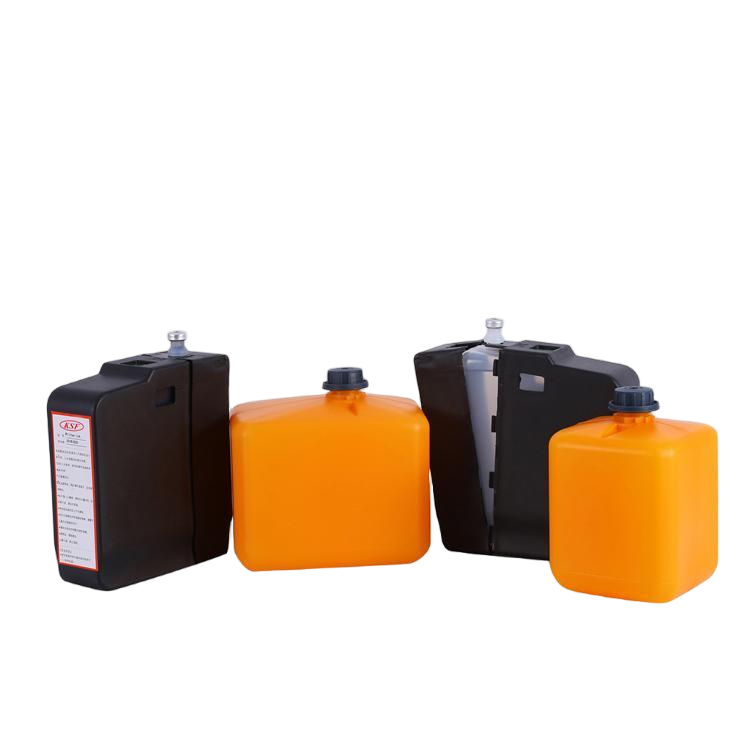
جوهرهای CIJ برای همه یکسان نیستند. هر فرمولاسیون برای شیمی سطح خاص، الزامات خشک شدن و شرایط استفاده نهایی مهندسی شده است. پنج خانواده اصلی عبارتند از:
نحوه کار آنها: حلال تبخیر میشود یا جذب سطح زیرلایه میشود و رنگدانه یا رنگ را به سطح میچسباند. جوهرهای پایه MEK به دلیل فشار بخار بالا، سریعترین زمان خشک شدن را دارند.
بهترین برای: سطوح غیر متخلخل - پلاستیک (PE، PP، PET، PVC)، فلز، شیشه، کاغذ روکشدار، لاستیک، کابلها.
محدودیتها: بوی تند، قابل اشتعال، ممکن است به برخی از پلاستیکها (پلی کربنات، اکریلیک، پلی استایرن) حمله کند یا آنها را بسوزاند.
نحوه کار آنها: حلالهای ملایمتر که از طریق تبخیر خشک میشوند. خشک شدن کندتر از MEK اما روی سطوح حساس بسیار ملایمتر است.
بهترین برای: سطوح متخلخل و نیمه متخلخل - کاغذ، مقوا، چوب، برخی کاغذهای پوشش داده شده و پلاستیکها که در برابر حمله MEK حساس هستند.
محدودیتها: چسبندگی ضعیف روی سطوح غیر متخلخل مانند شیشه یا فلز پرداخت نشده. سرعت خط تولید کندتر.
نحوه کار آنها: از آب به عنوان حامل اصلی استفاده میکند. در درجه اول از طریق جذب به داخل بستر و با مقداری تبخیر خشک میشود.
بهترین برای: سطوح بسیار متخلخل - مقوای موجدار، کاغذ بدون پوشش، کیسههای نان، کارتنهای تخممرغ، برخی از منسوجات.
محدودیتها: خشک شدن بسیار کند روی سطوح غیر متخلخل. حساس به یخ زدگی. نیاز به کنترل دقیق pH و رسانایی دارد. برای سطوح غیر جاذب مناسب نیست.
نحوه کار آنها: ذرات رنگدانه جامد (معمولاً کربن سیاه) در حامل معلق هستند. حامل تبخیر میشود و رنگدانه را روی سطح باقی میگذارد.
بهترین برای: کاربردهایی که نیاز به مقاومت بالا در برابر اشعه ماوراء بنفش، گرما یا سایش دارند - قطعات خودرو، کابلهای فضای باز، لولهکشی صنعتی، فولاد، محیطهای با دمای بالا.
محدودیتها: تهنشین شدن رنگدانه به مرور زمان نیاز به گردش و هم زدن جوهر دارد. گرانتر از جوهرهای مبتنی بر رنگ است.
نحوه کار آنها: به طور ویژه با آغازگرهای نوری با مهاجرت کم و رنگدانههایی که مطابق با مقررات تماس با مواد غذایی (EU 10/2011، FDA 21 CFR، دستورالعمل سوئیس) هستند، فرموله شده است.
بهترین برای: بستهبندی مواد غذایی - فیلمهای پلاستیکی، فویل، کاغذ روکشدار که برای تماس مستقیم با غذا یا جایی که جوهر ممکن است از طریق بستهبندی نفوذ کند، استفاده میشوند.
محدودیتها: نیاز به کنترلهای سختگیرانه در زنجیره تأمین. هزینه بالاتر. گزینههای رنگی محدود (معمولاً فقط سیاه یا سفید).
پلاستیکها چالشبرانگیزترین دسته هستند زیرا انرژی سطحی آنها بسیار متغیر است:
مواد غیر متخلخل و با انرژی سطحی بالا. چسبندگی کاملاً به توانایی جوهر در خیس کردن سطح و تشکیل پیوند مکانیکی یا شیمیایی بستگی دارد:
زیرلایههای متخلخل که جوهر را جذب میکنند. انتخاب به پوشش و سرعت بستگی دارد:
لاستیک، شلنگهای لاستیکی، واشرهای سیلیکونی. جوهر باید بدون ترک خوردن با سطح چاپ هماهنگ شود:
تولید با سرعت بالا با الزامات دوام خاص:
رعایت مقررات، محرک اصلی است:
| بستر | بهترین نوع جوهر | نکته کلیدی |
|---|---|---|
| پلی اتیلن (PE) | حلال MEK/استون | درمان سطحی توصیه میشود |
| پلیپروپیلن (PP) | حلال MEK/استون | درمان کرونا اغلب مورد نیاز است |
| پت / پلیاستر | حلال استاندارد | چسبندگی ذاتی خوب |
| پی وی سی / وینیل | حلال استاندارد | مراقب مهاجرت نرمکننده باشید |
| پلی کربنات | الکل / پرخاشگری کم | خطر ترکیدن حلال |
| اکریلیک (PMMA) | الکل / پرخاشگری کم | خطر ترکیدن حلال |
| آلومینیوم / فولاد | حلال/رنگدانه MEK | برای از بین بردن روغنها، پیشتمیزکاری کنید |
| شیشه | جوهر شیشهای تخصصی | تقویتکننده چسبندگی مورد نیاز است |
| کاغذ بدون پوشش | آب / الکل | گزینه با کمترین هزینه |
| کاغذ روکشدار | حلال MEK/استون | پوشش، جذب را کاهش میدهد |
| مقوای موجدار | پایه آب | جذب بالا، خشک شدن سریع |
| لاستیک طبیعی | مقاوم در برابر حلال + نرم کننده | باید بدون ترک خوردن خم شود |
| سیلیکون | جوهر سیلیکونی مخصوص | انرژی سطحی بسیار پایین |
| کابل (پیویسی) | مقاوم در برابر حلال، نرم کننده | سازگاری با سرعت بالای خط |
| کابل (XLPE) | رنگدانه دما بالا | در برابر پخت حرارتی مقاومت میکند |
| فیلم غذایی (BOPP/PET) | مهاجرت کم | مطابق با استاندارد اتحادیه اروپا 10/2011 یا FDA |
| فویل آلومینیومی (مواد غذایی) | مهاجرت کم + مقاوم در برابر حرارت | قابلیت تلافی/عقیمسازی |
| چوب | الکل / حلال | جذب بر اساس دانه متفاوت است |
| منسوجات | پایه آب / الکل | ممکن است در امتداد الیاف فیتیله شود |
برای اینکه جوهر به سطح بچسبد، کشش سطحی آن باید کمتر از انرژی سطحی سطح زیرلایه باشد. این مقدار با واحد دین بر سانتیمتر مربع اندازهگیری میشود. مواد کمانرژی (PE حدود 30 دین بر سانتیمتر مربع، PP حدود 29 دین بر سانتیمتر مربع، سیلیکون حدود 22 دین بر سانتیمتر مربع) نیاز به عملیات سطحی یا جوهرهای فرموله شده مخصوص دارند. یک آزمایش ساده دین با قلم میتواند مشخص کند که آیا سطح زیرلایه شما نیاز به عملیات دارد یا خیر.
جوهر باید قبل از رسیدن محصول به نقطه بعدی جابجایی (بستهبندی، انباشت، انتقال) خشک شود. خطوط چاپ پرسرعت (بیش از ۲۰۰ محصول در دقیقه) روی سطوح غیر متخلخل، به جوهرهای MEK یا استون با تبخیر سریع نیاز دارند. سطوح متخلخل، انعطافپذیری بیشتری با جوهرهای مبتنی بر الکل یا آب ارائه میدهند. همیشه زمان خشک شدن جوهر را با سرعت خط خود تنظیم کنید - کدهای مرطوب لکهدار میشوند و رد میشوند.
در نظر بگیرید که محصول چاپی با چه چیزی روبرو خواهد شد:
روغنها، گرد و غبار، عوامل آزادکننده کپک، پوششهای آنتیاستاتیک و رطوبت روی سطح زیرلایه از علل اصلی عدم چسبندگی جوهر هستند. در بسیاری از موارد، تشخیص "جوهر اشتباه" در واقع یک مشکل آلودگی است. تمیز کردن اولیه با الکل ایزوپروپیل یا استفاده از روش درمان کرونا در خط، اکثر این مشکلات را برطرف میکند.
جوهر مشکی برای اکثر کاربردها استاندارد است، اما رنگهای سفید، آبی، قرمز، زرد و سبز نیز موجود است. جوهر رنگی سفید برای زیرلایههای تیره (کابلهای سیاه، پلاستیکهای تیره، فلز رنگی) ضروری است. مطمئن شوید که میزان شفافیت جوهر برای رنگ زیرلایه شما کافی است - یک بار عبور جوهر سفید بدون فرمولاسیون خاص ممکن است برای زمینههای تیره کافی نباشد.
صنایع و مناطق مختلف الزامات خاصی دارند:
هرگز بدون تأیید عملکرد جوهر روی بستر واقعی خود، به یک دوره تولید کامل متعهد نشوید. این پروتکل آزمایش را دنبال کنید:
MEK به شدت به پلی کربنات و اکریلیک حمله میکند و باعث ایجاد ترکهای ریز قابل مشاهدهای میشود که ماده را تضعیف کرده و ظاهر آن را خراب میکند. همیشه برای این پلاستیکها از جوهرهای کم تهاجمی مبتنی بر الکل یا با فرمول خاص استفاده کنید.
PE و PP به حلالهای کتوندار با تبخیر سریع (MEK، استون) نیاز دارند. جوهرهای حلال کندتر ممکن است روی این سطوح کمانرژی دانه دانه شوند یا مدت زمان زیادی طول بکشد تا خشک شوند. هر نوع پلاستیک سازگاری متفاوتی با حلال دارد.
بسیاری از مشکلات چسبندگی جوهر که به جوهر نسبت داده میشوند، در واقع ناشی از عوامل نامرئی رهاکننده کپک، پوششهای آنتیاستاتیک یا روغنهای فرآیند روی سطح زیرین هستند. یک آزمایش ساده پاک کردن IPA میتواند نشان دهد که آیا آلودگی عامل مشکل است یا خیر.
جوهری که با سرعت ۵۰ محصول در دقیقه کاملاً کار میکند، ممکن است با سرعت ۲۰۰ محصول در دقیقه خراب شود زیرا زمان خشک شدن خیلی طولانی است. همیشه با سرعت تولید واقعی آزمایش کنید، نه در شرایط آزمایشگاهی با حرکت آهسته.
ارزانترین جوهری که «تا حدودی کار میکند» در درازمدت به دلیل رد شدن محصولات، توقفهای خط تولید برای تمیز کردن هدهای چاپ و شکایات مشتری در مورد کدهای ناخوانا، هزینه بیشتری خواهد داشت. جوهر مناسب برای زیرلایه شما همیشه مقرون به صرفهترین انتخاب است.
الف) به ندرت. هر دسته از مواد، شیمی سطح و الزامات عملکردی متفاوتی دارند. استفاده از یک جوهر روی چندین زیرلایه معمولاً به این معنی است که برای همه آنها بهینه نیست. تنها استثنا این است که اگر همه زیرلایههای شما از نظر شیمیایی مشابه باشند (مثلاً کاغذهای روکشدار مختلف).
الف) از خودکارهای تست رنگ استفاده کنید. یک خودکار ۳۸ دین بر سانتیمتر مربع را روی سطح قرار دهید - اگر مایع ظرف ۲ ثانیه به صورت دانههای ریز درآمد، انرژی سطح کمتر از ۳۸ دین است و برای چسبندگی مطمئن جوهر، به عملیات (کرونا، شعله، پلاسما) نیاز است.
الف) دانه دانه شدن (جمع شدن جوهر به قطرات) به این معنی است که کشش سطحی جوهر از انرژی سطحی زیرلایه بیشتر است. یا انرژی سطحی زیرلایه را افزایش دهید (عملیات) یا به فرمولاسیون جوهری با کشش سطحی کمتر روی بیاورید.
الف) جوهرهای دای (Dye) کاملاً در حامل حل میشوند و رنگی پر جنب و جوش ایجاد میکنند اما مقاومت کمتری در برابر اشعه ماوراء بنفش/حرارت دارند. جوهرهای پیگمنت (Pigment) ذرات جامد معلقی هستند که روی سطح مینشینند و دوام بالایی (در برابر اشعه ماوراء بنفش، گرما، سایش) ارائه میدهند اما برای جلوگیری از تهنشین شدن نیاز به مراقبت بیشتری دارند.
الف) جوهرهای با مهاجرت کم با استفاده از موادی فرموله میشوند که پتانسیل بسیار کمی برای مهاجرت از طریق بستهبندی به داخل مواد غذایی دارند. آنها تحت آزمایشهای دقیق مهاجرت قرار میگیرند و باید با مقررات تماس با مواد غذایی مطابقت داشته باشند. جوهرهای استاندارد ممکن است حاوی موادی باشند که برای تماس با مواد غذایی تأیید نشدهاند و هرگز نباید روی بستهبندی مواد غذایی استفاده شوند.
پاسخ: خیر. تغییر بین ترکیبات شیمیایی مختلف جوهر (مثلاً MEK به الکل یا استاندارد به کم مهاجرت) نیاز به شستشوی کامل سیستم با حلال تمیزکننده مناسب دارد. جوهر باقیمانده میتواند با فرمول جدید واکنش نشان دهد و باعث انسداد، رسوب یا مشکلات کیفیت چاپ شود.
راهنمای فنی — انتخاب جوهر CIJ
همیشه برای توصیههای فرمولاسیون خاص و دادههای سازگاری با تامینکننده جوهر خود مشورت کنید.

پیام بگذارید
اسکن به Wechat :

اسکن در WhatsApp :

 English
 Pусский
 Español
 Português
 العربية
 فارسی
فارسی




 IPv6 شبکه پشتیبانی می شود